Craft · 2 Jun 2026 · 6 min
Why Your English Website Reads Like a Translation (Even When No One Translated It)
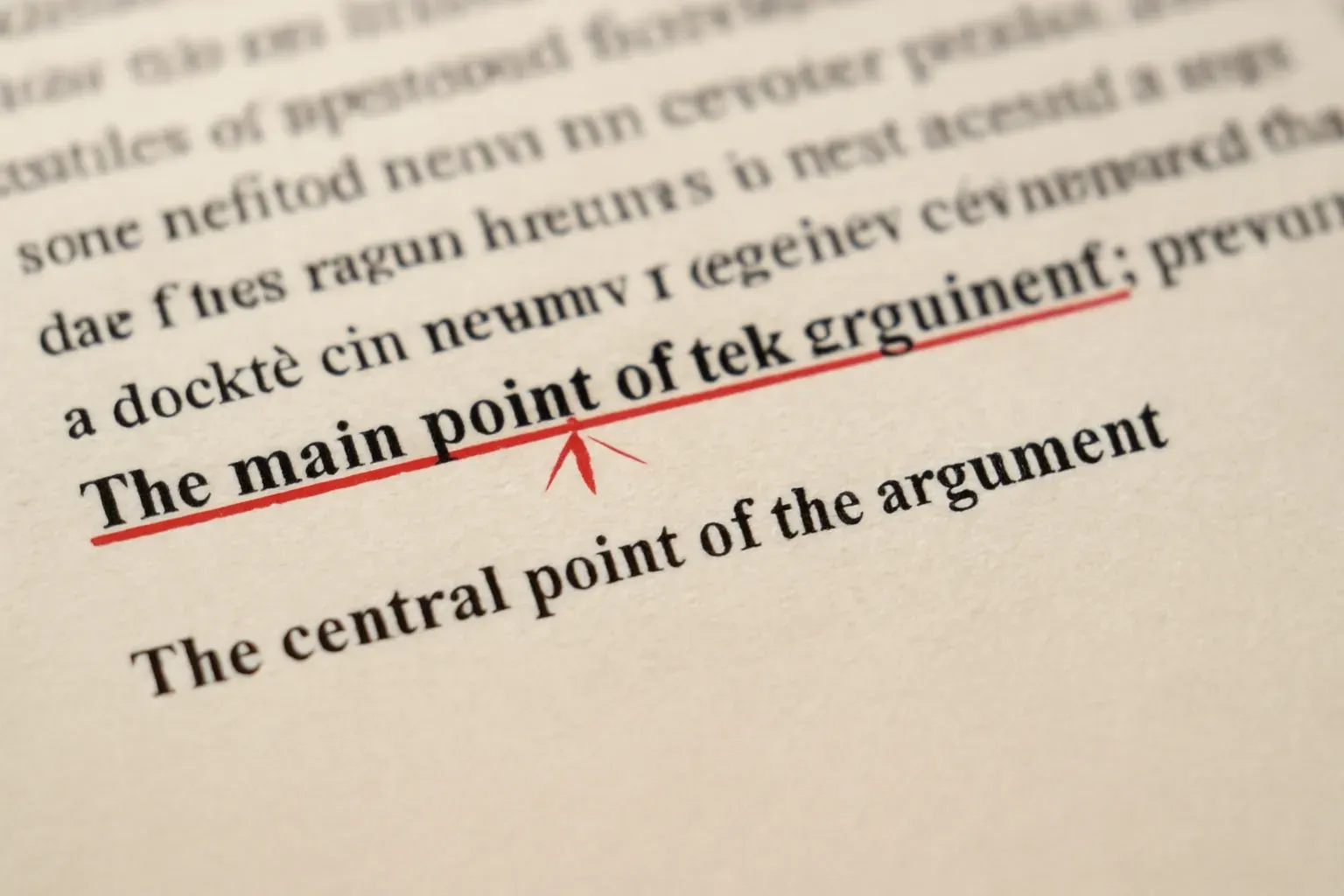
Nobody translated your English website. Not literally. But if a British or American visitor reads it and feels a faint, unplaceable friction — that's what a translated feel is, even when every sentence is grammatically correct and nobody touched a translation tool.
The tell isn't grammar. It's structure. Spanish and English make an argument differently: where one language leads with context and builds toward the point, the other tends to lead with the point and defend it after. Copy that's been mentally drafted in one language and typed in another keeps the original's shape — the order the ideas arrive in, the length of the runway before the actual offer shows up — even when every individual word is correct. A reader doesn't consciously notice the structure. They notice that something feels like work to read, and they leave a beat sooner than they would have otherwise.
Here's a version of the tell, isolated:
Before
Our company has always been characterized by a firm commitment to quality and to offering our clients innovative solutions adapted to their needs.
After
We build software that logistics managers actually want to use — because we've watched them fight the alternative.
Both sentences are correct English. Only one of them sounds like it was written by someone arguing to an English-speaking reader, rather than translating a case for one.
Three places this shows up most on a typical site:
The homepage hero.
If your headline could be swapped onto a competitor's site without anyone noticing, it's describing the category, not making a specific claim. Native copy commits to a specific promise early, then proves it.
The “About” page.
This is usually where the original language's rhythm survives longest — long, qualifying sentences building toward a claim about trustworthiness that a skimmed English reader never reaches, because they stopped reading two sentences earlier.
Product and service descriptions.
Specs and features translate cleanly. Benefits don't — “reduces operational friction” reads like a direct swap of a Spanish phrase, where the native version says what actually gets easier and for whom.
The fix isn't a better translator. It's writing the English version from the brief, not from the existing draft — building the argument the way someone who thinks in English commercial idiom would build it, then checking it still says everything true about the business. That's the difference between translation and native-market copywriting, and it's the entire premise this studio is built on. If your own site is due a rewrite, that's exactly what our Website Copy service does, page by page.
Related reading
- View →
The Six-Package Test: How to Know Which Copy Project to Buy First
Website copy, a landing page, an email sequence, a messaging playbook — with six services on the table, here's the honest order to buy them in, and when to break the order.
- View →
Why We Publish Prices (And Why Almost No One Else in This Industry Does)
A short argument for treating a copywriting package like any other priced professional service — plus what published pricing actually protects you from.